
YouTube Shorts & TikTok Repurposing:Transform Your Podcast Into Viral Video Content
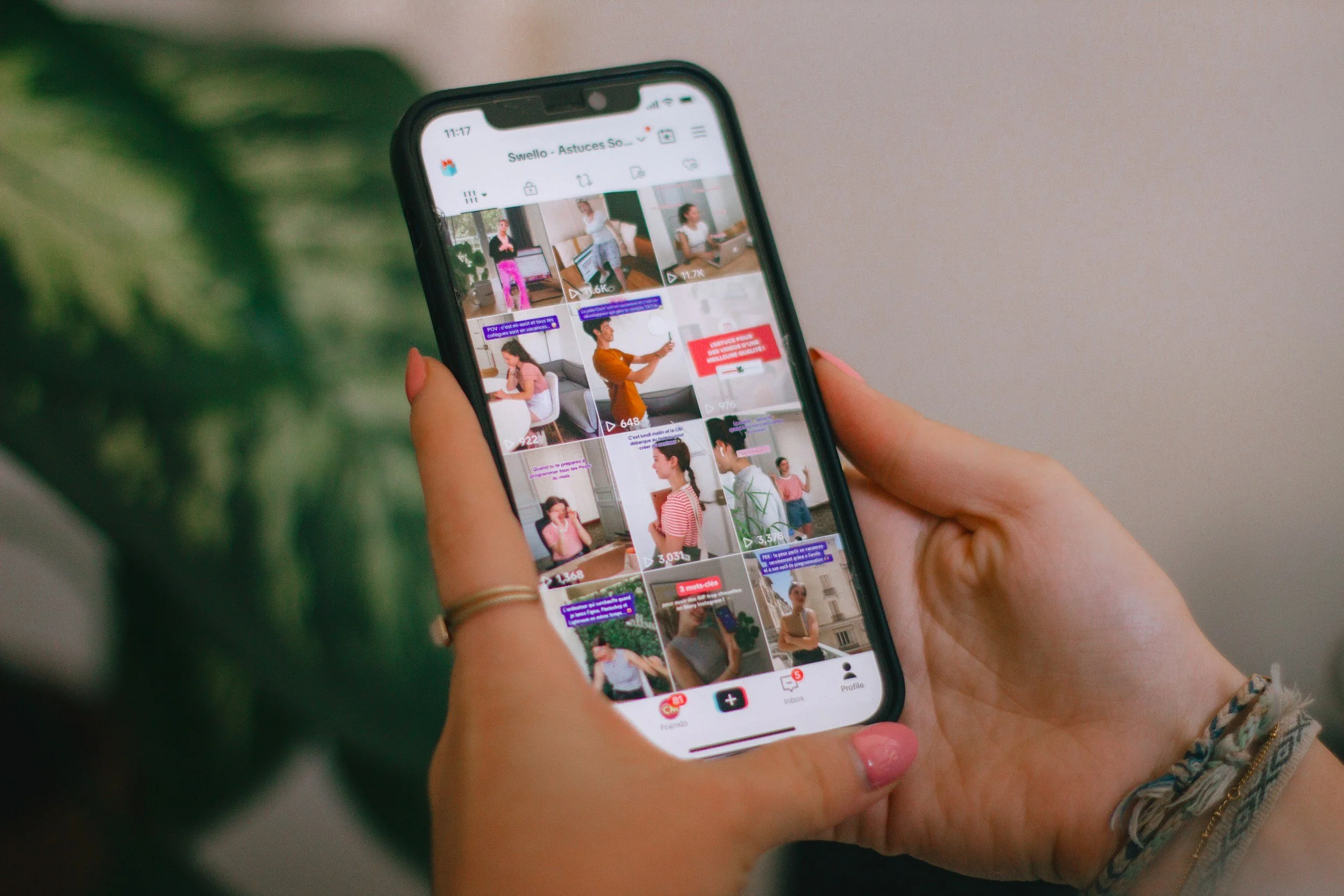
Your podcast audio is leaving money on the table. While you’re focused on distributing to Spotify and Apple Podcasts, platforms like YouTube Shorts and TikTok are algorithmically hungry for short-form video—and they actively reward creators who feed that demand. The math is simple: podcasters who repurpose their best moments into 15–60 second clips often see 3–5x audience growth, along with podcast discovery rates that traditional promotion struggles to match.
This guide will show you exactly how to extract, produce, and distribute short-form clips from your existing audio—without hiring a full production team.
Why Short-Form Video Repurposing Actually Works for Podcasters
The algorithm shift is real.YouTube Shorts now accounts for over 70% of YouTube’s total views. TikTok’s average user watches 52 minutes of content daily. Instagram Reels reaches 200 million daily active users. These platforms do not care about your RSS feed—they care about short, punchy, high-retention video.
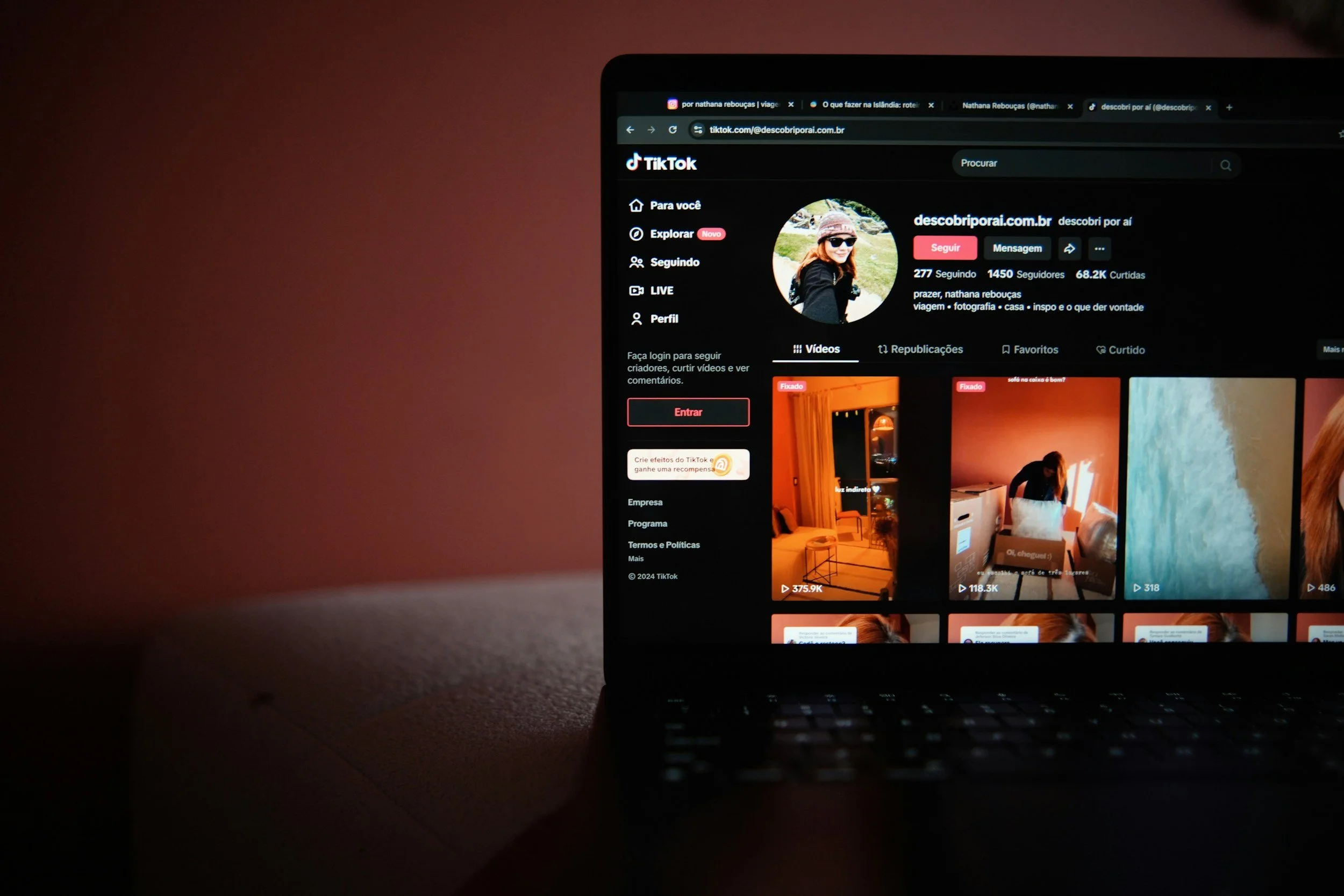
Here’s what happens when you repurpose strategically:
Discovery boost: A single viral Shorts clip can drive 200–500 new listeners directly back to your podcast.
Algorithm amplification: Platforms reward watch-time consistency. A 45-second clip with 80% retention signals quality content.
Zero cannibalization: You’re not splitting your audience—you’re funneling viewers back to your full episode.
The key insight: You’re not creating new content. You’re repackaging existing material for algorithms that demand video. That’s efficient production.
Step 1: Identify Your Viral-Worthy Moments
Not every 3-minute segment converts into a Shorts clip. Your first filter is ruthless editing judgment.
What to listen for:
• Surprising statements or contrarian takes
• Emotional reactions or genuine laughs
• Specific, actionable advice (listicles work well)
• Guest stories with narrative tension
• Questions that spark debate in the comments
How to mark moments in real time: During recording or immediately after, timestamp any moment that made you stop and think, “People need to hear this.” Flag moments where your co-host reacted strongly. These are clip gold.
Real example: A finance podcast episode on “5 money mistakes before age 30” naturally breaks into five separate 30-second clips. Each mistake becomes a standalone Shorts video with a unique hook. The main episode gets linked in the pinned first comment.
Spend 10 minutes per episode in this review phase. You’ll spot 3–5 clip-worthy moments per hour of audio.
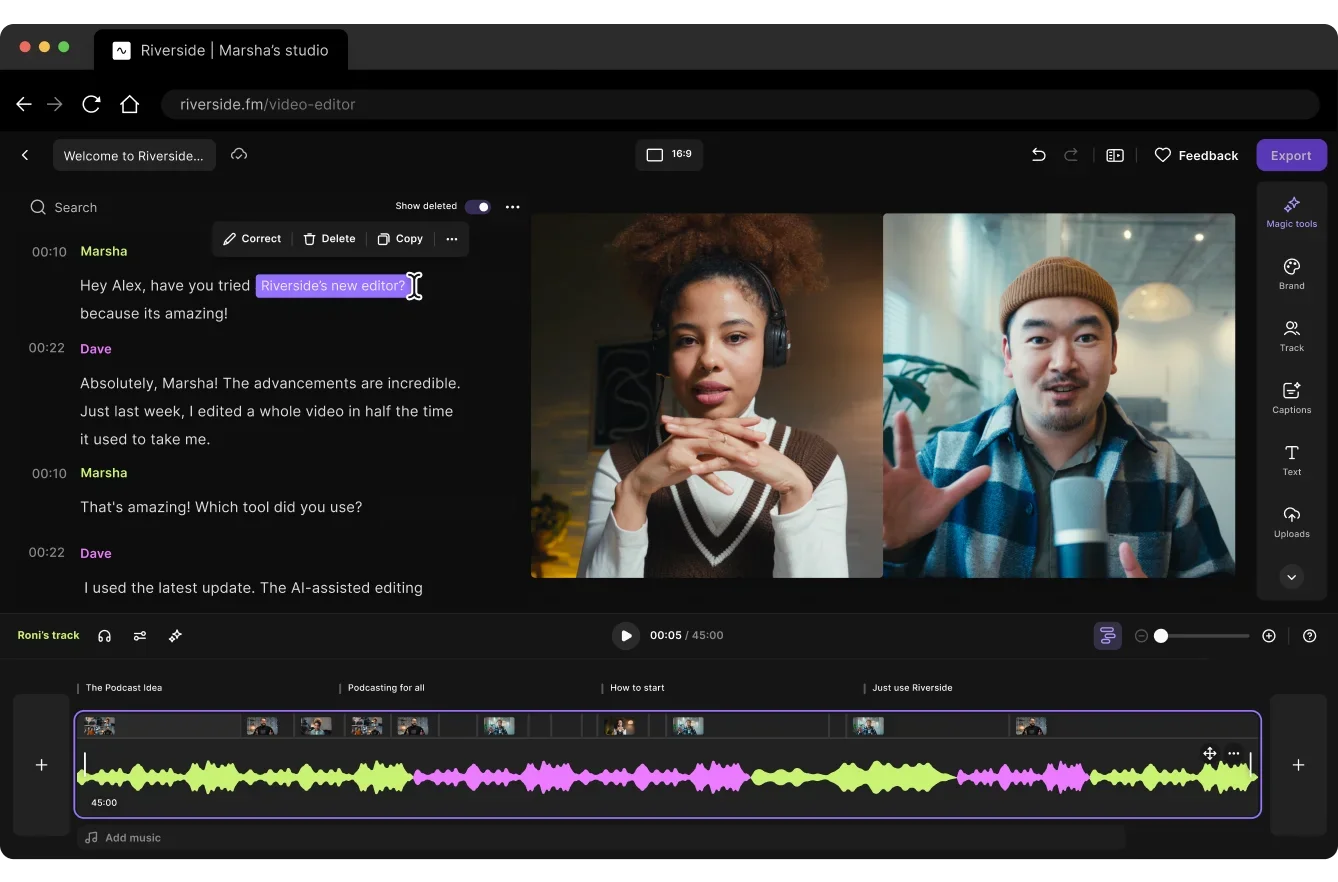
Step 2: Extract, Edit & Add a Visual Layer
This is where most podcasters get stuck—they assume they need professional motion graphics.
You don’t.
The minimal production stack:
Audio extraction: Audacity (free) or your DAW
Editing: Adobe Premiere Pro, CapCut (mobile, free), or DaVinci Resolve (free)
Visuals: Your podcast’s title card, captions, and one background video or image
The production workflow:
Export your flagged audio moment as an MP3 (15–60 seconds)
Drop it into your editing software
Overlay your podcast logo or title card (static image, 3–5 seconds)
Add burnt-in captions for the entire clip (critical—many Shorts are watched muted)
Layer background B-roll or a looped video (Unsplash, Pexels, or relevant podcast footage)
Export in a 9:16 aspect ratio for mobile

Time investment: 12–15 minutes per clip once you’ve built your template. With templated sequences, that can drop to around 6 minutes per clip at scale.
Real numbers: A 45-second clip with burnt-in captions, podcast branding, and background music can see a significantly higher completion rate than a static talking-head video.
Step 3: Nail the Hook & Caption Strategy
The first 1.5 seconds determine whether someone keeps watching. After that, captions keep them locked in.
Example caption for a financial advice clip:
“Most people max out their 401(k)… but here’s why that’s costing you.”
Hook formula for clips:
Start with the most surprising or interesting moment
Skip the intro fluff
For advice clips: “Here’s the #1 mistake you’re making…”
For story clips: Use direct emotional pull or curiosity
For debate clips: “We completely disagree on this…”
Caption best practices:
Use contrast
Keep line breaks natural
Read captions aloud to check pacing
Bold or highlight the most important phrase
Include your podcast name in the lower third
Step 4: Build a Distribution System
Creating clips is only half the battle. Distribution multiplies your reach.

The weekly repurposing schedule:
• Monday: Post 2 clips on YouTube Shorts
• Tuesday: Post 2 clips on TikTok
• Wednesday: Post 2 clips on Instagram Reels
• Thursday–Friday: Space out remaining clips and re-share best performers
Pinning strategy: Always pin a comment on your first clip linking to the full episode.
Batching saves time: Edit 12–15 clips in one 2-hour session instead of working daily.
Cross-platform optimization:
• TikTok: Best for trending audio and personality-driven clips
• YouTube Shorts: Best for informational, high-retention content
• Instagram Reels: Often performs best with an on-camera intro
Different platforms, different audiences. Same source material.
Real Growth Metrics You Should Expect
After three months of consistent repurposing:
• Clip reach: 5,000–50,000 views per Shorts clip, depending on topic and audience size
• Conversion to podcast: 15–25% of clip viewers click through to the full episode
• Audience growth: 200–500 new podcast subscribers monthly from short-form video
• SEO bonus: Video clips can rank in Google Search, creating discovery paths audio-only content cannot
A beginner podcaster with 50 episodes can realistically extract 100+ clips. That’s a three-month content bank without creating anything new.

The Non-Negotiable Quality Standards
Don’t phone this in. Here’s what separates clips that perform from clips that disappear:
• Audio quality: Normalize all clip audio to -6dB for consistent volume
• Captions: 100% accuracy and readable at phone-viewing distance
• Branding: Your podcast name visible in every frame
• Hooks: The first frame or second must hook immediately
Every clip represents your brand. A sloppy 15-second video can damage your podcast’s perception more than no video at all.
Ready to Take Your Podcast to the Next Level?
Your podcast’s best moments deserve an audience beyond your RSS feed. Short-form video repurposing is no longer optional—it’s one of the strongest discovery engines for podcast growth.
Start this week: Pick your last three episodes, identify five clip-worthy moments, and edit one YouTube Shorts test. Measure performance. Learn what hooks your audience. Then systematize the process.
Ready to turn your audio into a viral content machine? Contact PSP today.
You may also like

our latest