
Behind the Mic: How Professional Podcast Studios Structure a Recording Day
The difference between a show that sounds polished and one that sounds rushed isn't talent — it's process.
You can hear the difference between a podcast recorded at a kitchen table and one recorded at a professional studio — but the gap isn't just about microphones. The real differentiator is how the recording day is structured. Professional studios don't wing it. Every hour of a recording session is planned, sequenced, and optimized to produce the best possible content with the least possible waste.
Whether you're considering booking a professional podcast studio for the first time or you're trying to level up your current production process, this breakdown will show you exactly how the pros do it — and why it matters for the quality, consistency, and growth of your show.
The Anatomy of a Professional Podcast Recording Day
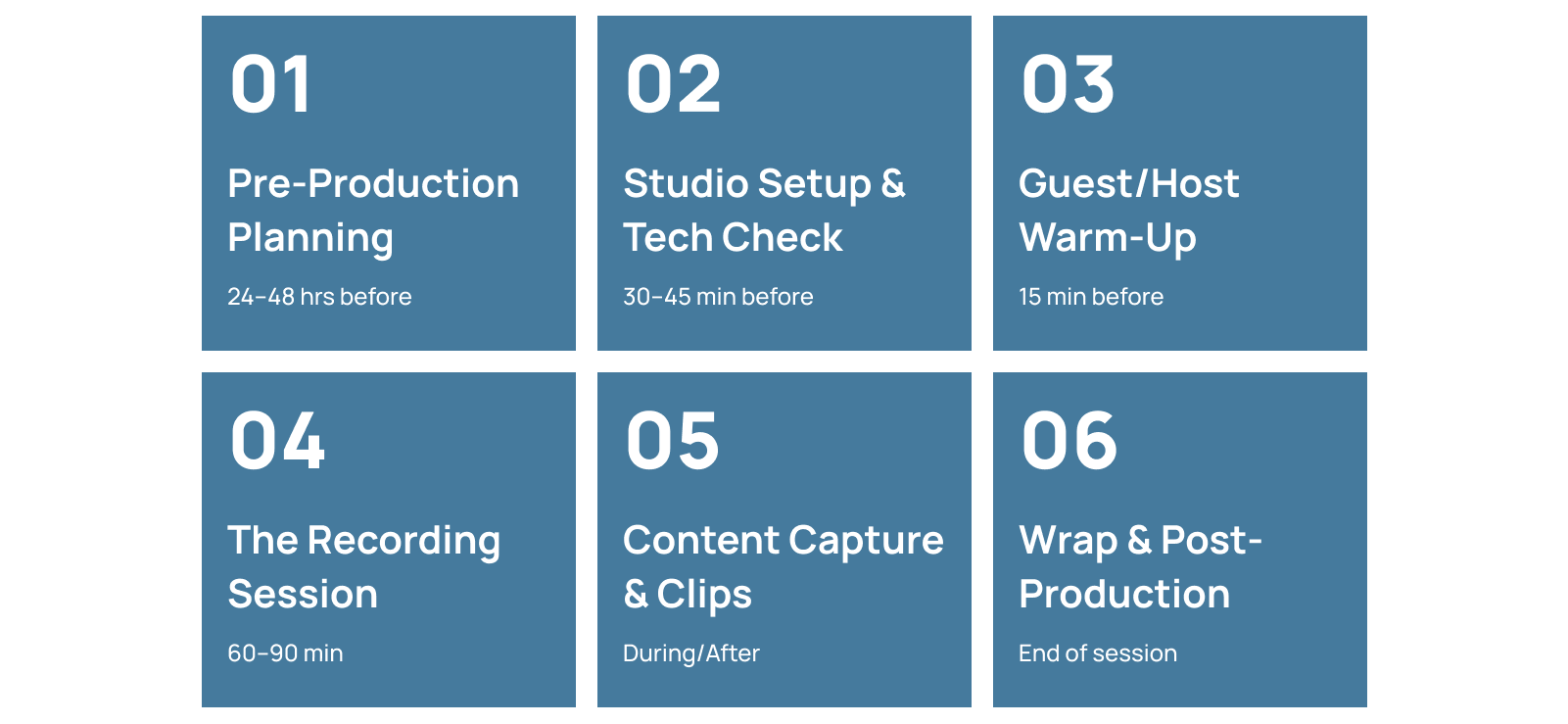
Step 1: Pre-Production Planning (24–48 Hours Before)
A professional recording day is won or lost before anyone steps into the studio. The best podcast producers spend serious time in the 24–48 hours leading up to a session doing the work that makes the actual recording smooth and efficient.
This means confirming all guest details, sending prep notes and talking points, reviewing the episode outline, identifying the 2–3 key moments or soundbites worth pulling for short-form content, and flagging any technical needs — remote guests, B-roll segments, special equipment. At Podcast Space Plus, we provide every client with a pre-production checklist so nothing falls through the cracks.
WHY IT MATTERS
Shows that skip pre-production spend 20–30% of their session time fixing problems that could have been solved beforehand. That's wasted studio time, wasted budget, and wasted energy that should go into your performance.
Step 2: Studio Setup and Technical Check (30–45 Minutes Before)
Arrive early. This is non-negotiable at a professional level. The 30–45 minutes before a session begins is when a studio engineer runs the full technical sweep — microphone placement and gain levels, headphone mixes for each guest, camera framing for video podcasts, lighting adjustments, and a complete sound check that includes room tone and any potential noise issues.
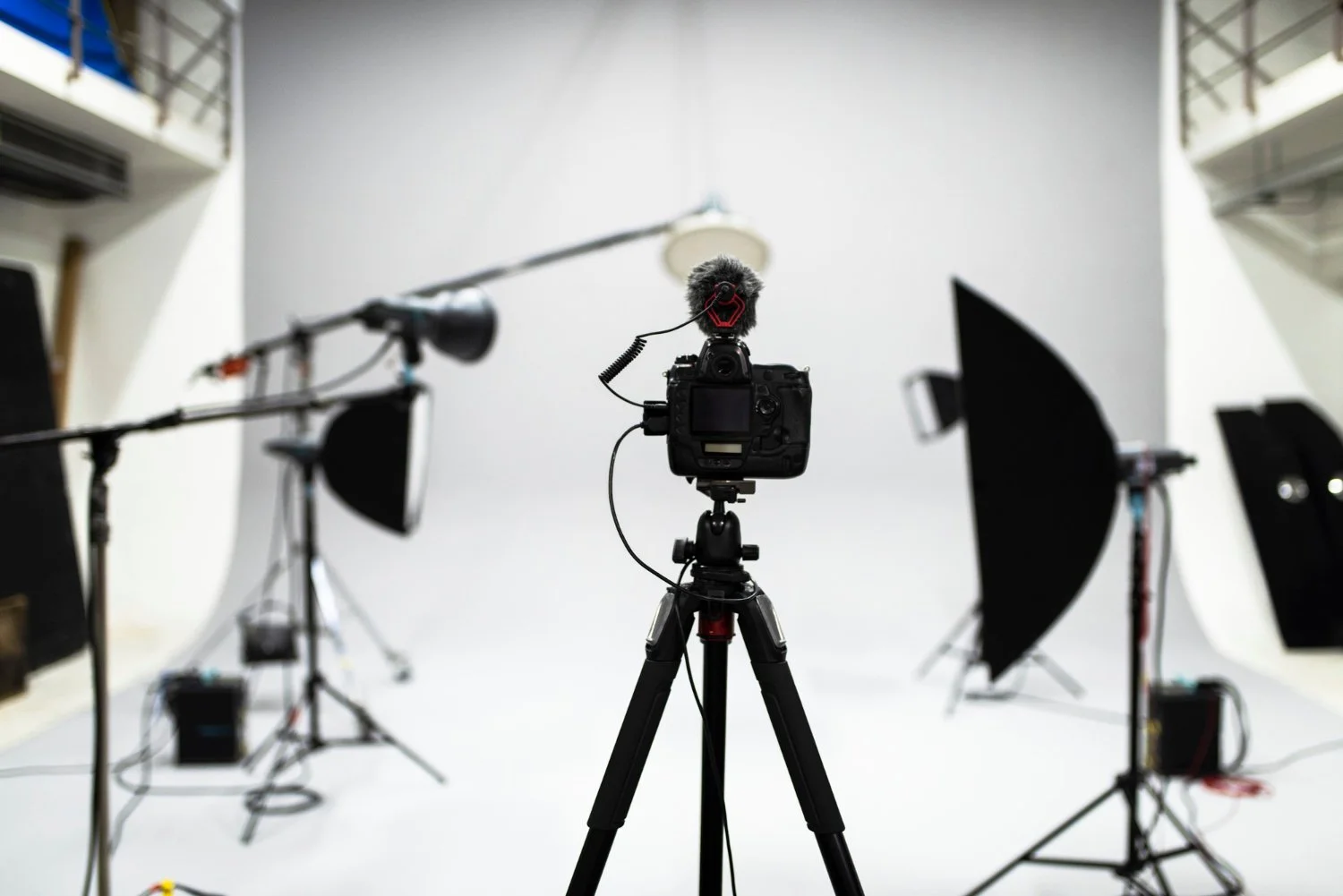
This phase also covers software — recording platform (DAW) is armed and ready, video capture is confirmed, and backup recording systems are active. Professional studios record to multiple devices simultaneously so a single technical failure never means losing an episode.
✓ Microphone levels set per speaker's voice profile
✓ Headphone monitor mixes adjusted for comfort and clarity
✓ Camera angles confirmed for video podcast framing
✓ Backup recordings armed on secondary devices
✓ Room quiet — phone silenced, AC/HVAC managed, door signage posted

Step 3: Host and Guest Warm-Up (15 Minutes Before Record)
The best podcast conversations sound natural because the participants aren't cold when the record button is hit. Professional studios build in a genuine warm-up window — not just small talk, but a structured few minutes where hosts and guests get comfortable on mic, settle into the energy of the room, and sync up on the episode flow.
This is also when a good producer does a final outline walk-through, confirms any off-limit topics with guests, and lets the host get into their hosting mindset. The mic should feel like home before a single word of the episode is recorded.
Step 4: The Recording Session (60–90 Minutes)
This is the centerpiece of the day — but in a well-run studio, it's also the most relaxed part. Because everything before this moment has been handled, the host and guests can focus entirely on the conversation. The producer's role during recording is to monitor levels, flag any technical issues in real time, and keep light notes on timestamp moments worth pulling for clips.
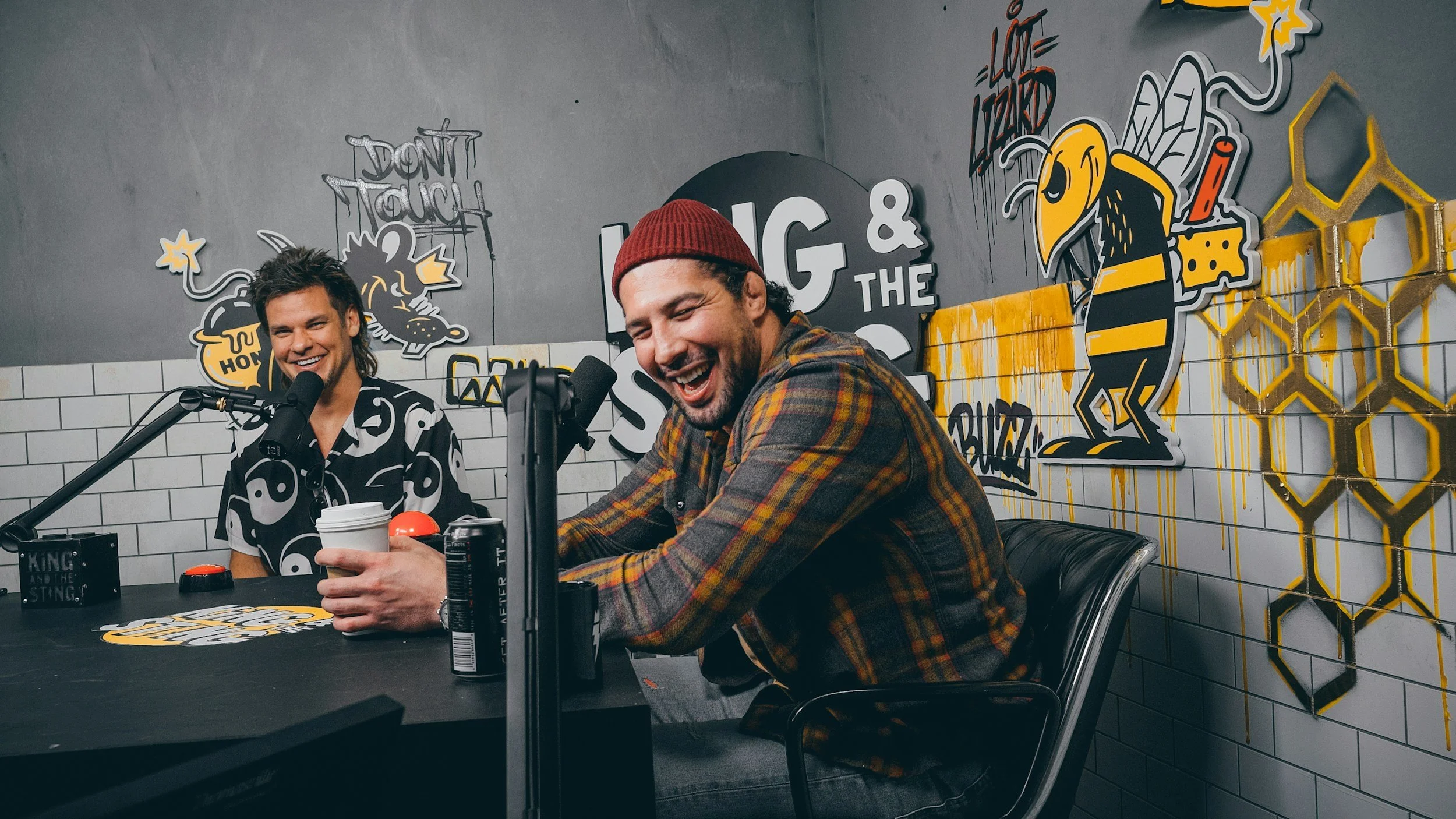
Professional producers also know when to pause. A dog barking outside, a guest misstating something important, an unexpected emotional moment that deserves a reset — these aren't interruptions, they're quality control. Knowing when to call a quick pause and re-take a segment is a skill that separates professional productions from amateur ones.
PRO TIP FROM PODCAST SPACE PLUS
Our producers flag timestamps during every session for the top 3–5 clip moments. By the time you walk out of the studio, your short-form content strategy is already mapped out. That's the kind of built-in workflow that saves hours in post.
Step 5: Content Capture and Clip Planning
The modern recording day doesn't end when the main episode wraps. Professional studios build in time after the core recording to capture additional content: standalone social media clips, guest intros, show promotional segments, and even sponsor reads that can be dynamically inserted into multiple episodes.
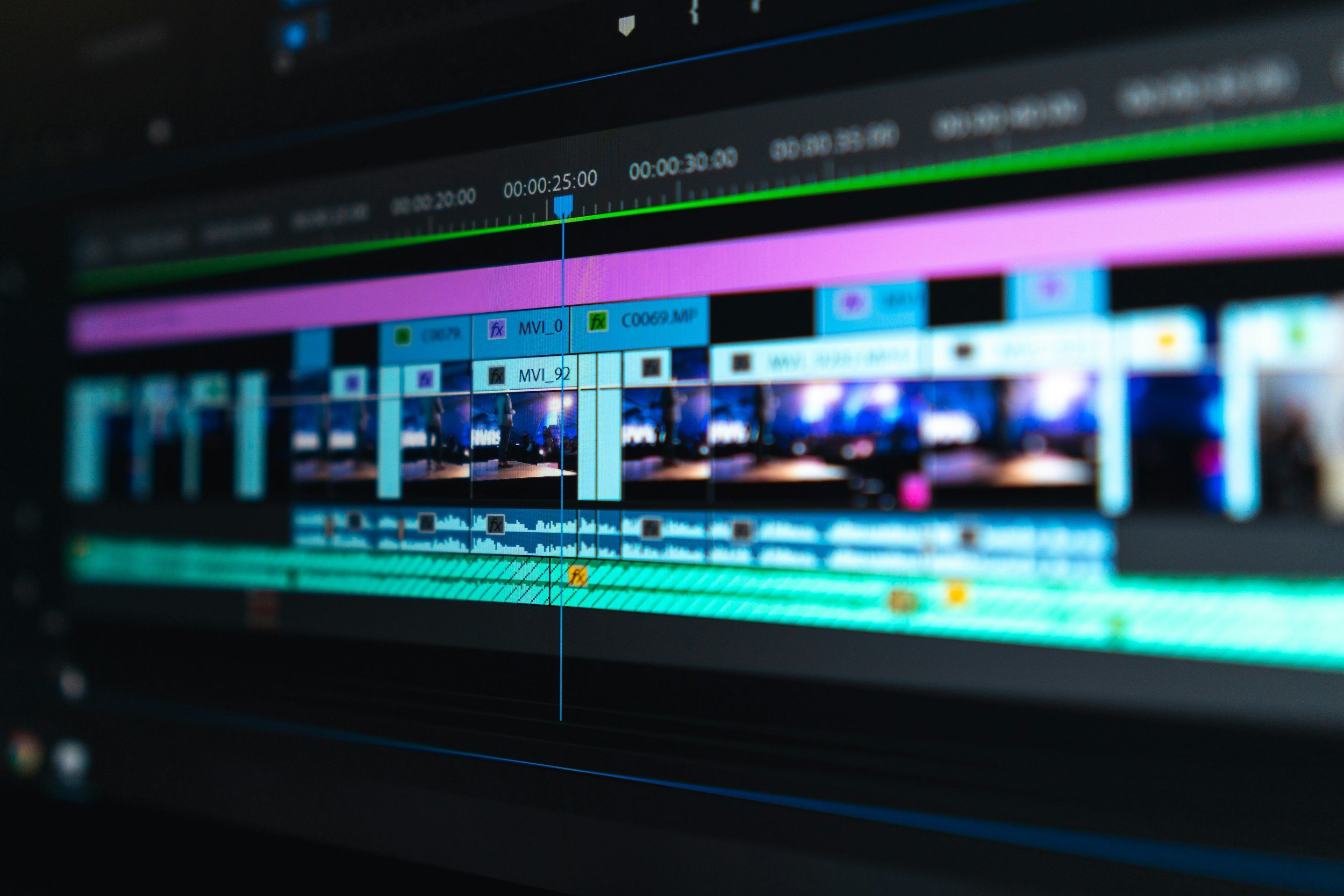
This is the step most independent podcasters skip entirely — and it's one of the biggest missed opportunities in the industry. A single 10-minute content capture window at the end of a session can generate weeks of social content and dramatically improve the ROI of every hour spent in studio.
Step 6: Wrap and Post-Production Handoff
A professional session ends with a clean handoff. Files are properly labeled and exported, notes from the session are documented, and the post-production brief is confirmed — covering edit priorities, clip selection, turnaround timeline, and delivery format. Nothing gets lost in translation between the studio and the editor.
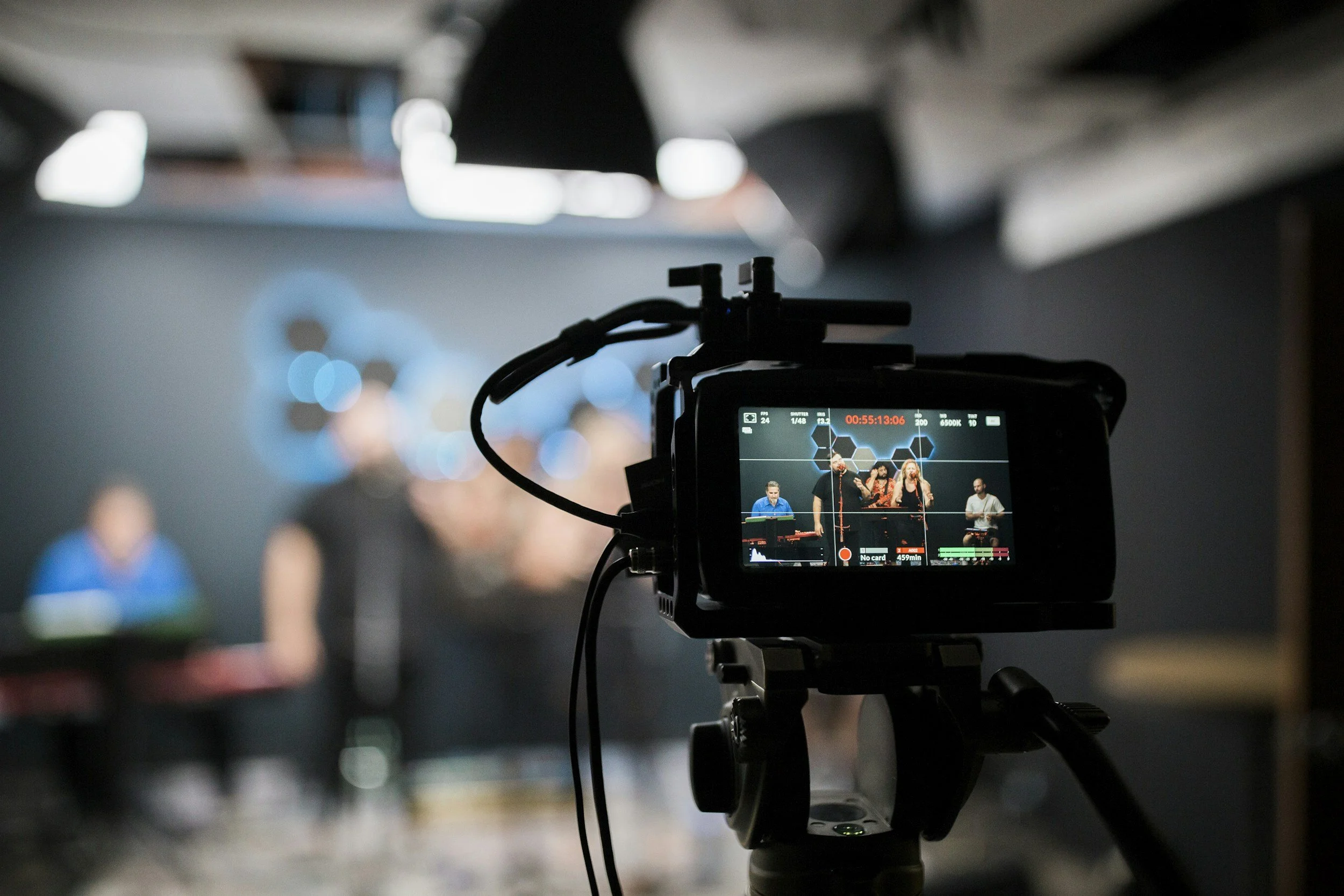
At Podcast Space Plus, our clients leave every session with a clear picture of what happens next, when it happens, and what the final output will look like — whether that's a polished audio episode, a full video upload, or a full suite of branded short-form clips.
The Bottom Line
There's a reason the podcasts that dominate their niches consistently sound better, post more content, and grow faster than the competition. It's not just equipment. It's process. A structured recording day eliminates wasted time, protects your energy for the creative work, and ensures every session produces maximum content output.
If your current recording process feels chaotic, unpredictable, or like it could be more efficient — it can be. And that starts with working with a studio that takes production as seriously as you take your content.
See What a Professional Session Looks Like
Book a free strategy call with Podcast Space Plus and we'll walk you through our full recording day process — and show you exactly what your show could look like with the right studio behind it.
→ Schedule Your Free Call at podcastspaceplus.com
Keywords: professional podcast studio, podcast recording day, how to record a podcast, podcast production process, podcast studio South Florida, podcast recording checklist, podcast production company, Podcast Space Plus, podcast studio setup
You may also like



our latest