
How to Get Podcast Sponsors: What Brands Actually Look For in 2026
Every podcaster wants to hear those words: "We'd love to sponsor your show." But in 2026, landing podcast sponsors isn't about luck or raw download numbers—it's about understanding exactly what brands are looking for and building your show to deliver it. Whether you're pitching your first sponsor or trying to upgrade your current deals, this guide breaks down what brands actually evaluate when they decide to invest in a podcast.

Why Podcast Advertising Is More Competitive Than Ever
Podcast ad spend in the U.S. surpassed $2 billion in 2024 and continues to climb. Brands that once dismissed podcasting as a niche channel now treat it as a core component of their media mix. The result? More competition for sponsor dollars—and more sophisticated brand buyers who know exactly what a high-performing podcast partnership looks like.
The good news: this shift works in your favor if you know how to position your show. Brands are not just chasing the biggest audience anymore—they are chasing the right audience, delivered with trust and consistency.
What Brands Actually Look For in a Podcast Sponsor Deal
Forget the myth that you need 10,000 downloads per episode before you can land a sponsor. Here is what matters to brand decision-makers in 2026:
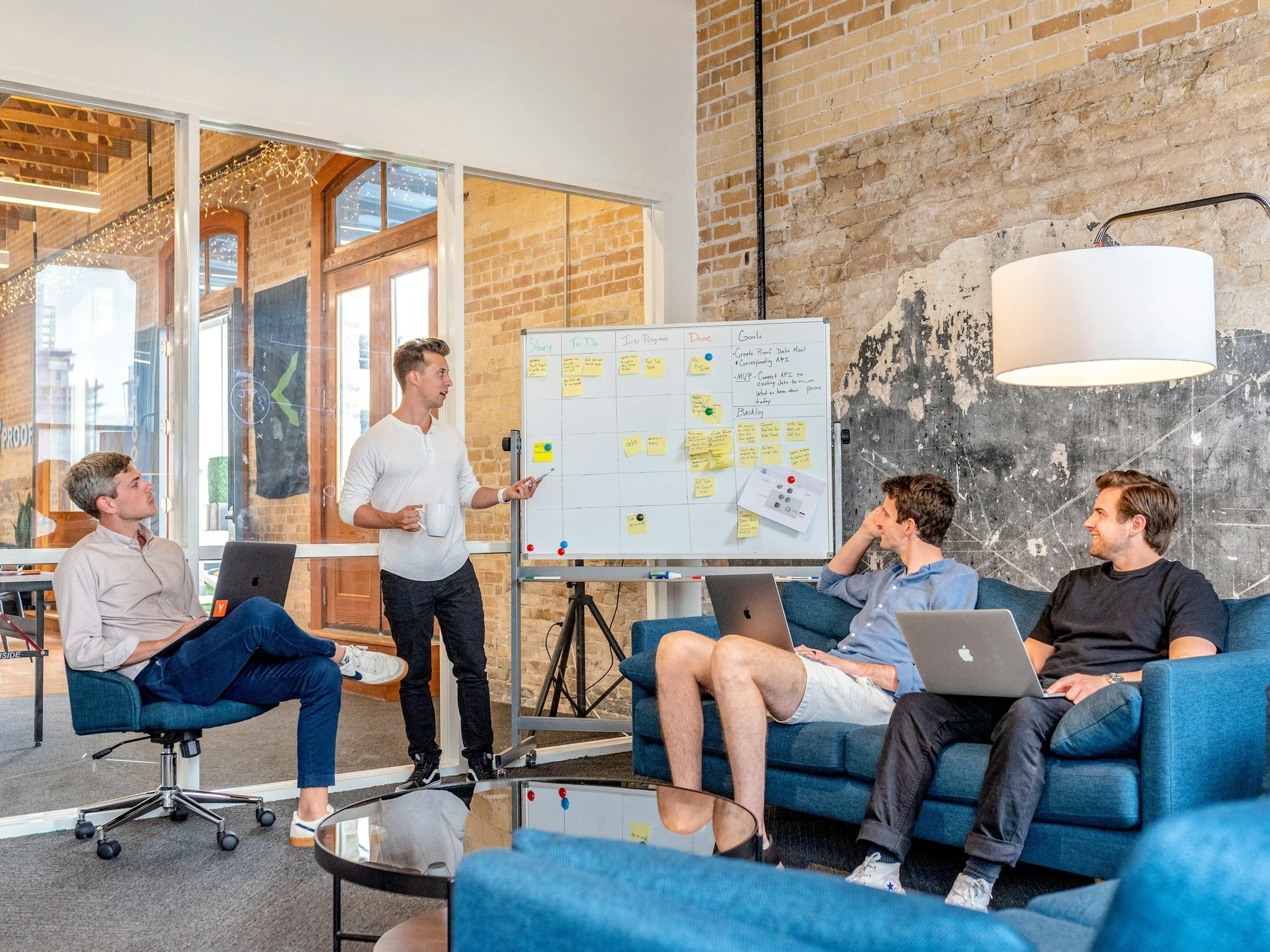
Audience Alignment Over Audience Size: A B2B software company would rather sponsor a 1,500-listener show of CFOs than a 50,000-listener general business podcast. Brands want to know who your listeners are—their profession, income bracket, buying habits, and pain points. The more precisely you can describe your audience, the stronger your pitch.
Engagement and Community Trust: Downloads are a vanity metric. Brands increasingly ask about listener retention rates, episode completion percentages, social media engagement, and direct listener responses like reviews and emails. A host who has built a genuine community carries far more influence—and delivers far better conversion—than one with passive listeners.
Production Quality and Brand Safety: Your show is a direct extension of any brand that sponsors it. Poor audio, inconsistent release schedules, or off-brand commentary can be a dealbreaker. Professional production signals to sponsors that you take your platform seriously and that their brand will be represented with the quality it deserves.
Host-Read Authenticity: Dynamic ad insertion has its place, but brands paying premium rates in 2026 want host-read ads woven naturally into content. They want a host who has actually used the product, can speak to it credibly, and whose audience trusts their recommendations. Authenticity is not a soft metric—it is a conversion driver.
Clear Metrics and Reporting: Sponsors want to know their ROI. Shows that come to the table with media kits featuring CPM rates, download analytics, listener demographics, and case studies from prior sponsors close deals faster. If you cannot measure it, you cannot sell it.
How to Make Your Show Sponsor-Ready
The podcasters landing the best deals in 2026 are not just creating content—they are running their show like a media business. Here is what that looks like in practice:

Build a professional media kit with audience demographics, download trends, and episode highlights.
Track and report listener engagement data beyond downloads—think completion rates, reviews, and community growth.
Invest in studio-quality production. Brands notice—and so does your audience.
Develop a clear niche. The more specific your show, the easier it is for brands to justify the sponsorship.
Create tiered sponsorship packages (presenting sponsor, mid-roll, segment sponsor) to fit different brand budgets.
If this sounds like a lot to manage alongside actually producing your show, you are right—and that is exactly why professional podcast production support exists.
The South Florida Opportunity
Miami and South Florida have become one of the most dynamic media markets in the country, with a booming entrepreneurial ecosystem, a rapidly growing bilingual audience, and brands actively looking to reach engaged local and regional consumers. For podcasters in this market, the opportunity to land regional and national sponsors has never been stronger—but the competition is rising just as fast.
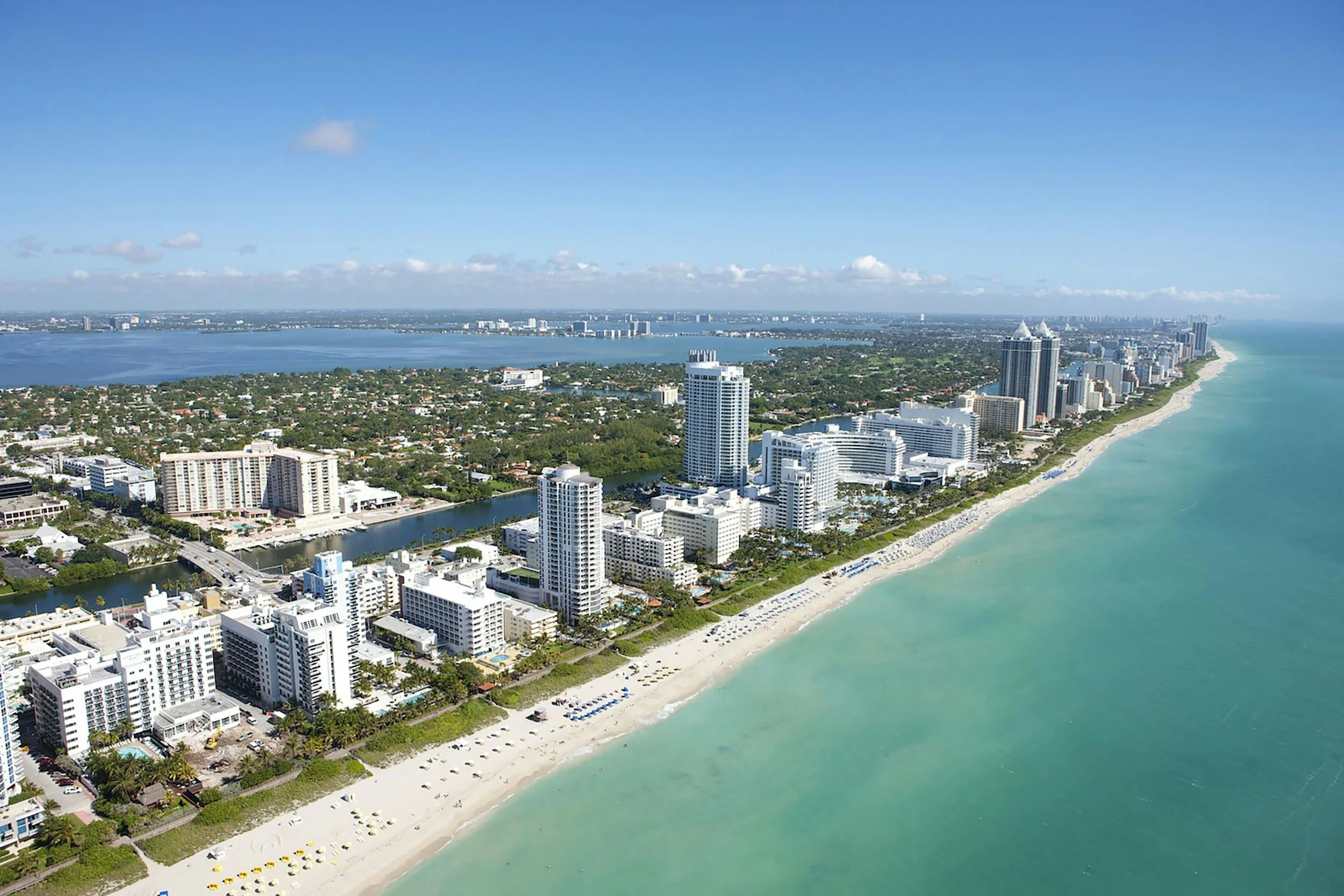
Local businesses, real estate firms, financial services companies, and health and wellness brands are all increasing their podcast advertising budgets. If your show targets South Florida listeners or covers topics relevant to this market, you are sitting on a highly monetizable asset—provided your show is positioned correctly.
The Bottom Line
Getting podcast sponsors in 2026 is not about going viral or chasing download milestones. It is about building a show that brands trust, an audience that converts, and a professional presentation that makes saying yes easy. The podcasters winning sponsorships today are the ones who treat their show like the media property it is.
At Podcast Space Plus, we help podcasters across South Florida and beyond build shows that are not just worth listening to—they are worth sponsoring.
You may also like


our latest